MAKE ROOM FOR®
MAKE ROOM FOR®
Positive Psychology Coaching and Wellbeing support for adults with ADHD across the UK.
Positive Psychology Coaching and Wellbeing support for adults with ADHD across the UK.
Emotional regulation.
Self understanding.
Energy and capacity.
Connection and community.
Emotional regulation.
Self understanding.
Energy and capacity.
Connection and community.
Emotional regulation.
Self understanding.
Energy and capacity.
Connection and community.
[1] WHAT WE OFFER
[1] WHAT WE OFFER

ADHD Coaching
ADHD Coaching
Positive Psychology informed one to one coaching for adults with ADHD.
Twelve sessions, weekly or fortnightly, working through emotional regulation, energy and capacity, self understanding, and communication. For adults who want practical, forward focussed, programme based coaching support.
Access to Work grant (AtW) accepted.
Session length: 1 Hour
Positive Psychology informed one to one coaching for adults with ADHD. Twelve sessions, weekly or fortnightly, working through emotional regulation, energy and capacity, self understanding, and communication.
For adults who want practical, forward focussed, programme based coaching support. Access to Work grant (AtW) accepted.
Session length: 1 Hour

Counselling for neurodivergent adults
Counselling for neurodivergent adults
BACP registered integrative counselling for adults.
For adults working with emotional distress, transition, relational difficulty, identity, or patterns that would benefit from therapeutic support
Counseling services will be available starting September 2026.
BACP registered integrative counselling for adults. For adults working with emotional distress, transition, relational difficulty, identity, or patterns that would benefit from therapeutic support
Counseling services will be available starting September 2026.

Workshops & training
Workshops & training
Video learning content, resources and community spaces for adults with ADHD and the people around them.
Micro training based.
Available for individuals via the MRF Online Members area.
Work team sessions are available on request.
Launching June 2026.
Video learning content, resources and community spaces for adults with ADHD and the people around them.
Micro training based.
Available for individuals via the MRF Online Members area.
Work team sessions are available on request.
Launching June 2026.

Creatives network
Creatives network
Events, collaborations, and projects that focus on bringing adult ADHD into creative conversations. We’re inviting writers, designers, filmmakers, performers, and all creatives who relate to the experiences of ADHD and neurodivergence to get involved.
Details are posted as projects are confirmed.
Follow along or enquire: @makeroomfor
Events, collaborations, and projects that bring adult ADHD into public conversation. Inviting writers, designers, film makers, performers, and all creatives whose work relates to experiences of neurodivergence.
Details are posted as projects are confirmed.
Follow along or enquire: @makeroomfor
Begin with a conversation
A 20 minute introductory call, online and free. It covers what you are dealing with at the moment, what kind of support you are looking for, and which of the services could be a good fit.
Begin with a conversation
A 20 minute introductory call, online and free. It covers what you are dealing with at the moment, what kind of support you are looking for, and which of the services could be a good fit.
Begin with a conversation
A 20 minute introductory call, online and free. It covers what you are dealing with at the moment, what kind of support you are looking for, and which of the services could be a good fit.
[2] WHY WE'RE HERE
[2] WHY WE'RE HERE
[2] WHY WE'RE HERE
Many adults with ADHD and other neurodivergence are managing emotions, thoughts, and a state of heightened sensitivity that can leave internal capacity feeling continuously at its limit.
When emotions, the body, and the mind are overloaded,
experiencing psychological wellbeing can feel less reachable.
We focus on helping you make room.
Making room for your core strengths and values to surface.
Viewing setbacks with less shame and more self compassion.
Having choice in how you respond to your emotions,
thoughts, energy levels,
and the people around you. .
The aim isn't to change who you are.
Some aspects might need room
to grow.
Some might need room to be
heard.
Some might need room so they can be
let go of.
We make room for all of it.
Many adults with ADHD and other neurodivergence are managing emotions, thoughts, and a state of heightened sensitivity that can leave internal capacity feeling continuously at its limit.
When emotions, the body, and the mind are overloaded,
experiencing psychological wellbeing can feel less reachable.
We focus on helping you make room.
Making room for your core strengths and values to surface.
Viewing setbacks with less shame and more self compassion.
Having choice in how you respond to your emotions,
thoughts, energy levels,
and the people around you.
The aim isn't to change who you are.
Some aspects might need room
to grow.
Some might need room to be
heard.
Some might need room so they can be
let go of.
We make room for all of it.
Many adults with ADHD and other neurodivergence are managing emotions, thoughts, and a state of heightened sensitivity that can leave internal capacity feeling continuously at its limit.
When emotions, the body, and the mind are overloaded,
experiencing psychological wellbeing can feel less reachable.
We focus on helping you make room.
Making room for core strengths and values to surface.
Viewing setbacks with less shame and more self compassion.
Having choice in how you respond to your emotions,
thoughts, energy levels,
and the people around you. .
The aim isn't to change who you are.
Some aspects might need room
to grow.
Some might need room to be
heard.
Some might need room so they can be
let go of.
We make room for all of it.

[3] AREAS WE SUPPORT
[3] AREAS WE SUPPORT
Emotional Regulation
We help you build ways to identify, understand, and respond to your emotions, including the experience of Rejection Sensitive Dysphoria (RSD). We use approaches that promote curiousity and observation over striving to control, with a recognistion that as humans we won't ever get things perfect.
Emotional Regulation
We help you build ways to identify, understand, and respond to your emotions, including the experience of Rejection Sensitive Dysphoria (RSD). We use approaches that promote curiousity and observation over striving to control, with a recognistion that as humans we won't ever get things perfect.
Self Understanding
You own core strengths, values, and personality traits which might have had less room to be expressed with confidence.
We help you to reduce shame, masking, the inner critic, and internalised stories,
making room for improved self-esteem, confidence and a more compassionate view of yourself.
Capacity &
energy levels
What drains or restores energy can look different for each person.
We use key approaches from somatic (body) practices to support regular self check ins for energy and pace, and utilising rest and recovery.
Communication & Relationships
ADHD challenges can change how feedback and small social signals are read and responded to.
We support you in building awareness of communication patterns, interpretation, and responding whilst affirming differences in communication styles.
[4] WHO WE ARE
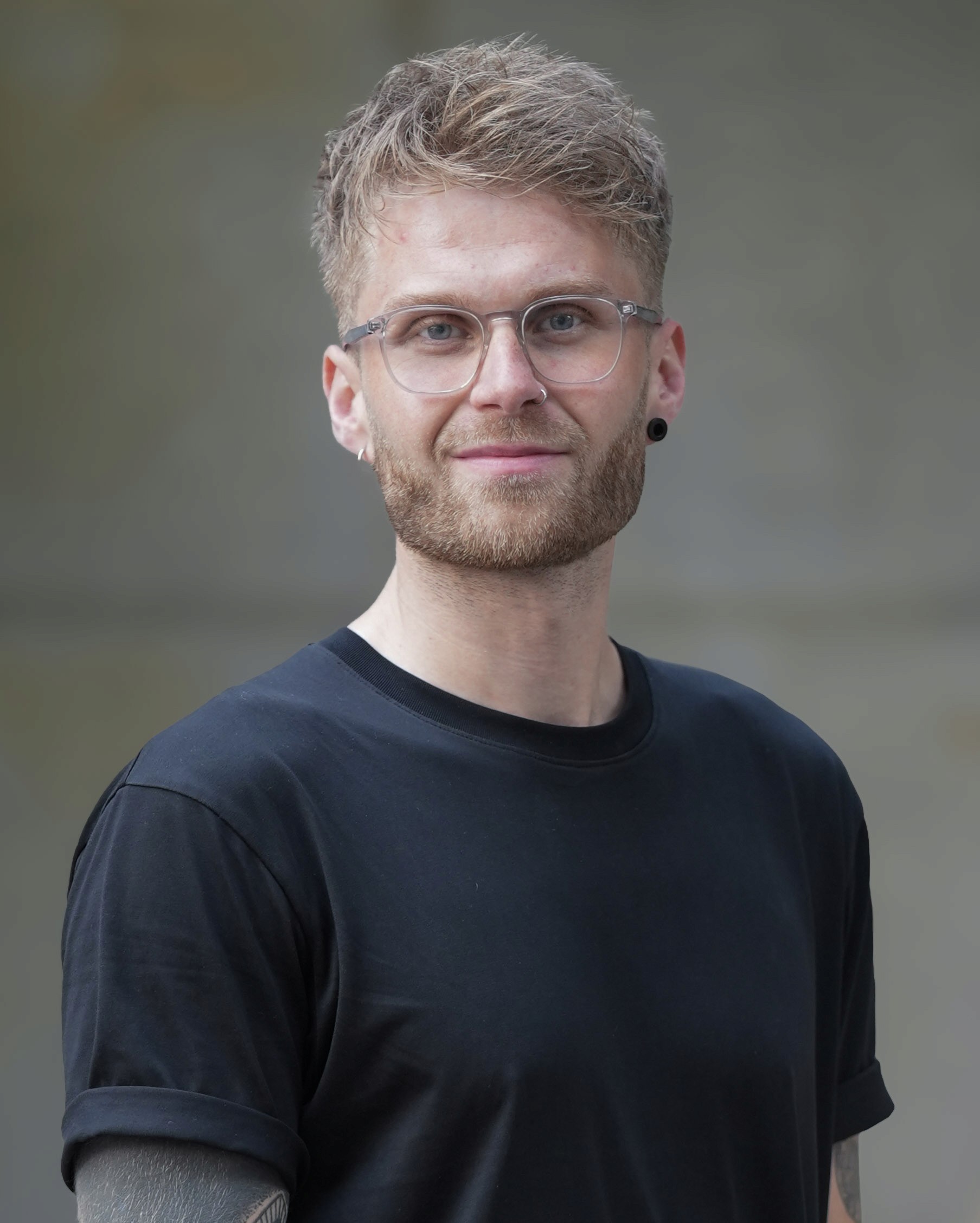
MAKE ROOM FOR® is led by Joe Tomkinson, a trained Counsellor and Coach, and professional member of the British Association for Counselling & Psychotherapy (inc Coaching Division).
Joe is also a project consultant and is currently working with nationwide services including ADHD UK.
What started as a one person practice is now becoming a UK network. Practitioners and programme leads are joining through 2026, and a small team of designers, writers and creators supporting the development of wider reaching projects over this year.
We use a framework built on the worlds of positive psychology coaching, clinical counselling, and wellbeing mentoring. All Coaching and Counselling work is supervised and follows BACP ethical guidelines.
MMAKE ROOM FOR® is led by Joe Tomkinson, a trained Counsellor and Coach, and professional member of the British Association for Counselling & Psychotherapy (inc Coaching Division).
Joe is also a project consultant and is currently working with nationwide services including ADHD UK.
What started as a one person practice is now becoming a UK network. Practitioners and programme leads are joining through 2026, and a small team of designers, writers and creators supporting the development of wider reaching projects over this year.
We use a framework built on the worlds of positive psychology coaching, clinical counselling, and wellbeing mentoring. All Coaching and Counselling work is supervised and follows BACP ethical guidelines.
MAKE ROOM FOR® is led by Joe Tomkinson, a trained Counsellor and Coach, and professional member of the British Association for Counselling & Psychotherapy (inc Coaching Division). Joe is also a project consultant and is currently working with nationwide services including ADHD UK.
What started as a one person practice is now becoming a UK network. Practitioners and programme leads are joining through 2026, and a small team of designers, writers and creators supporting the development of wider reaching projects over this year.
We use a framework built on the worlds of positive psychology coaching, clinical counselling, and wellbeing mentoring. All Coaching and Counselling work is supervised and follows BACP ethical guidelines.

July '26:
Online member programme Launch.
July '26:
Online member programme Launch.
July '26:
Online member
programme Launch.
Join our mail list for more information, updates and first space offers.
Join our mail list for more information, updates and first space offers.
Join our maillist
[5] TESTIMONIALS
“ You helped me recognise what was underneath my reactions and the fact I have choice. I used to react straight away to everything.
Now instead of reacting based on the first feeling I’m more able to stop and look at what came before the feeling.
Just this part in itself has changed a lot for me. ”
“ You helped me recognise what was underneath my reactions and the fact I have choice. I used to react straight away to everything.
Now instead of reacting based on the first feeling I’m more able to stop and look at what came before the feeling.
Just this part in itself has changed a lot for me. ”
“ You helped me recognise what was underneath my reactions and the fact I have choice. I used to react straight away to everything.
Now instead of reacting based on the first feeling I’m more able to stop and look at what came before the feeling.
Just this part in itself has changed a lot for me. ”
“ While previous approaches offered some help, I consistently hit a wall with negative thought patterns. Your approach stands apart. You guide me to understand myself and support me to make changes at my own pace. ”
“ While previous approaches offered some help, I consistently hit a wall with negative thought patterns. Your approach stands apart. You guide me to understand myself and support me to make changes at my own pace. ”
“ While previous approaches offered some help, I consistently hit a wall with negative thought patterns. Your approach stands apart. You guide me to understand myself and support me to make changes at my own pace. ”
“ Nothing felt forced. It felt progressive and patient but still helped me take action across my life. ”
“ Nothing felt forced. It felt progressive and patient but still helped me take action across my life. ”
“ Nothing felt forced. It felt progressive and patient but still helped me take action across my life. ”
[6] THE FRAMEWORK
The steps below are built through practice, and designed to be returned to.
The steps below are built through practice, and designed to be returned to.
ACKNOWLEDGE
ACKNOWLEDGE
An honest and compassionate reflection of your patterns, challenges, and strengths, what emotions are around the most, what they are signalling, and how they link to thoughts, the body, and energy levels.
An honest and compassionate reflection of your patterns, challenges, and strengths, what emotions are around the most, what they are signalling, and how they link to thoughts, the body, and energy levels.
MAKE ROOM
MAKE ROOM
Expanding emotional capacity. Gradually letting go of old stories taken on as fixed, and practising curiosity with new patterns and ways of drawing on your strengths.
Working through challenges with less self criticism, and more autonomy in how you respond to situations, people, and experiences. Building internal space to experience higher levels of wellbeing.
Create psychological space through building capacity, curiosity, emotional regulation, practising self-compassion, and building curiosity.
Learning ways to work through challenges without adding self-criticism and shame on top, and a feeling of more choice in how you respond to situations, people, and experiences.
Finding your own version of balance and psychological wellbeing.
Expanding emotional capacity. Gradually letting go of old stories taken on as fixed, and practising curiosity with new patterns and ways of drawing on your strengths.
Working through challenges with less self criticism, and more autonomy in how you respond to situations, people, and experiences. Building internal space to experience higher levels of wellbeing.
MOVE FORWARD
MOVE FORWARD
From learning into longterm action. Building a toolkit of strategies you can use in moving forward towards what is most meaningful to you and making room for psychological wellbeing.
Supporting the ongoing application of practical strategies.
From learning into longterm action. Building a toolkit of strategies you can use in moving forward towards what is most meaningful to you and making room for psychological wellbeing.
Supporting the ongoing application of practical strategies.
From learning into longterm action. Building a toolkit of strategies you can use in moving forward towards what is most meaningful to you and making room for psychological wellbeing.
Supporting the ongoing application of practical strategies.
.
.
Get in Touch
A 20 minute introductory call, online and free. It covers what you are dealing with at the moment, what kind of support you are looking for, and which of the services below might be a good fit.
Get in Touch
A 20 minute introductory call, online and free. It covers what you are dealing with at the moment, what kind of support you are looking for, and which of the services below might be a good fit.

Creatives network
Events, collaborations, and projects that bring adult ADHD into public conversation. Inviting writers, designers, film makers, performers, and all creatives whose work relates to experiences of neurodivergence.
Details are posted as projects are confirmed.
Follow along or enquire: @makeroomfor

Workshops & training
Video learning content, resources and community spaces for adults with ADHD and the people around them.
Micro training based.
Available for individuals via the MRF Online Members area.
Work team sessions are available on request.
Launching June 2026.

ADHD Coaching
Positive Psychology informed one to one coaching for adults with ADHD.
Twelve sessions, weekly or fortnightly, working through emotional regulation, energy and capacity, self understanding, and communication.
For adults who want practical, forward focussed, programme based coaching support.
Access to Work grant (AtW) accepted.
Session length: 1 Hour

Counselling for neurodivergent adults
BACP registered integrative counselling for adults. For adults working with emotional distress, transition, relational difficulty, identity, or patterns that would benefit from therapeutic supportCounseling services will be available starting September 2026.
[1] WHAT WE OFFER
[1] WHAT WE OFFER